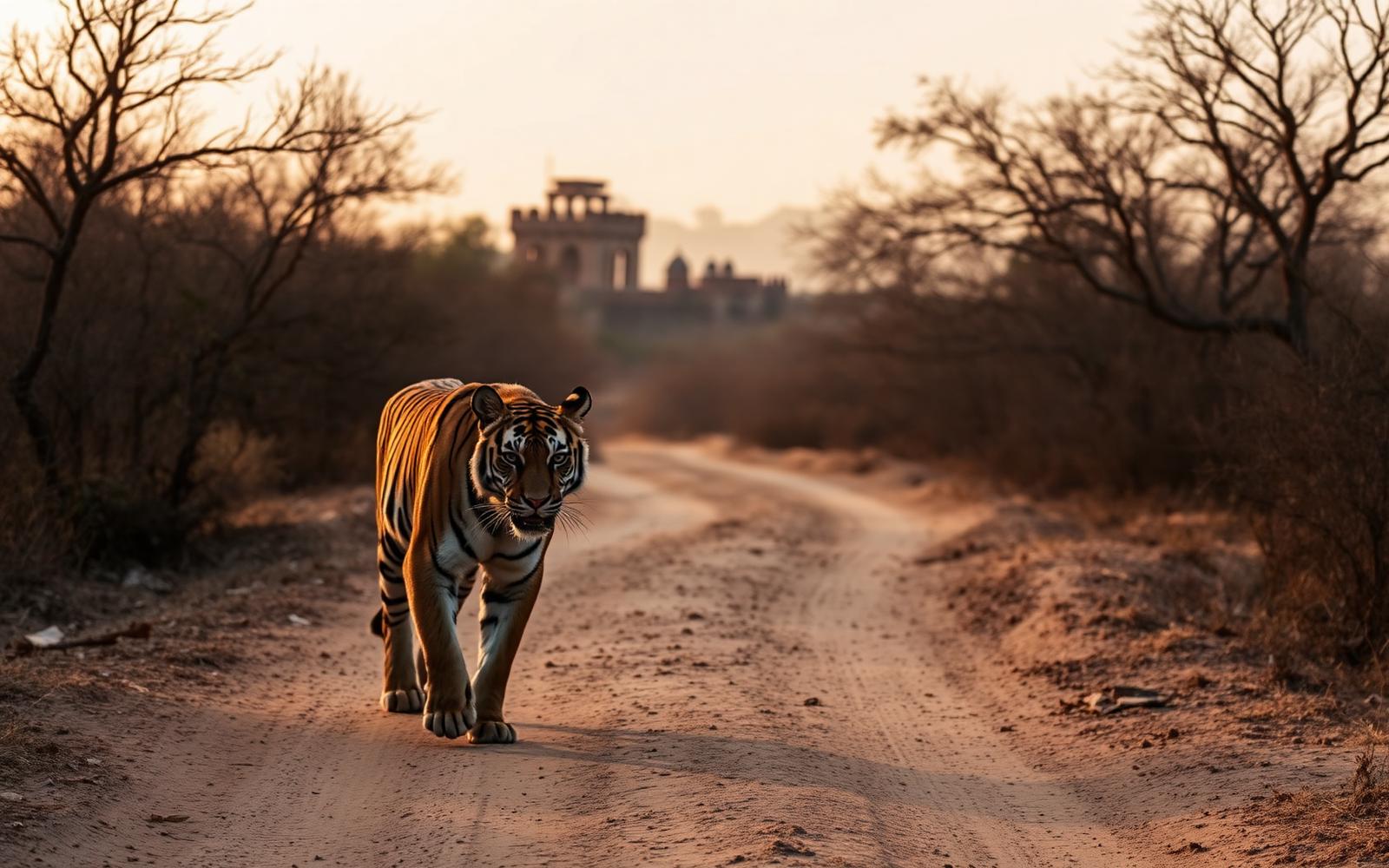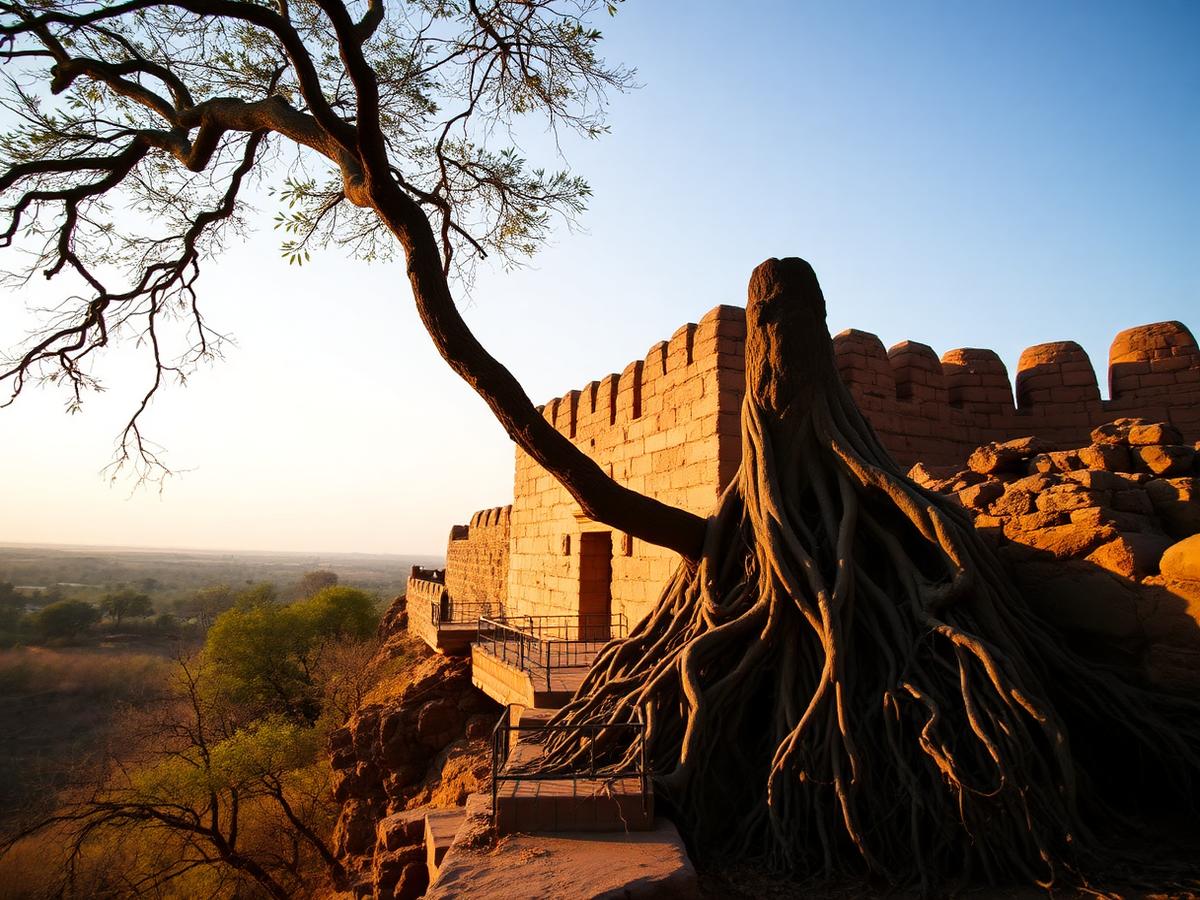
Ranthambore Fort
The 10th-century fortress the park grew around.
Walls rising nearly seven hundred feet above the forest floor, held in turn by Rajput clans, the Delhi Sultanate and the Mughals. Inside it, the Trinetra Ganesh Temple — one of the few where the deity is shown with a third eye — is still an active pilgrimage site in the middle of tiger country. We climb it on a non-safari morning; it is a genuine UNESCO site, not a filler stop.
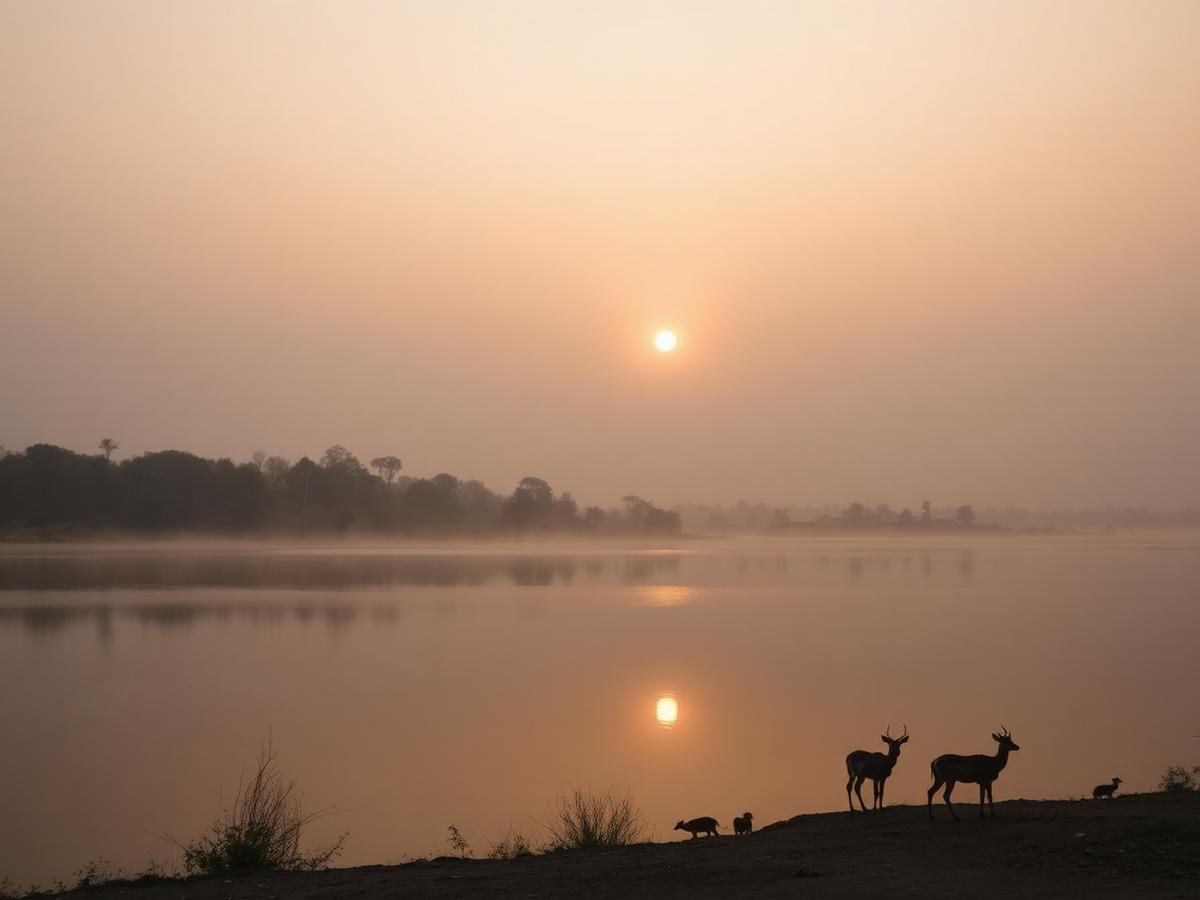
Padam Talao
The largest lake, with Jogi Mahal on its bank.
Reliable for tiger and marsh crocodile, and the single best reason to be out before first light: mist sitting on the water while the fort walls come up behind it. Jogi Mahal, once a royal hunting lodge, is now a quiet ruin at the edge.
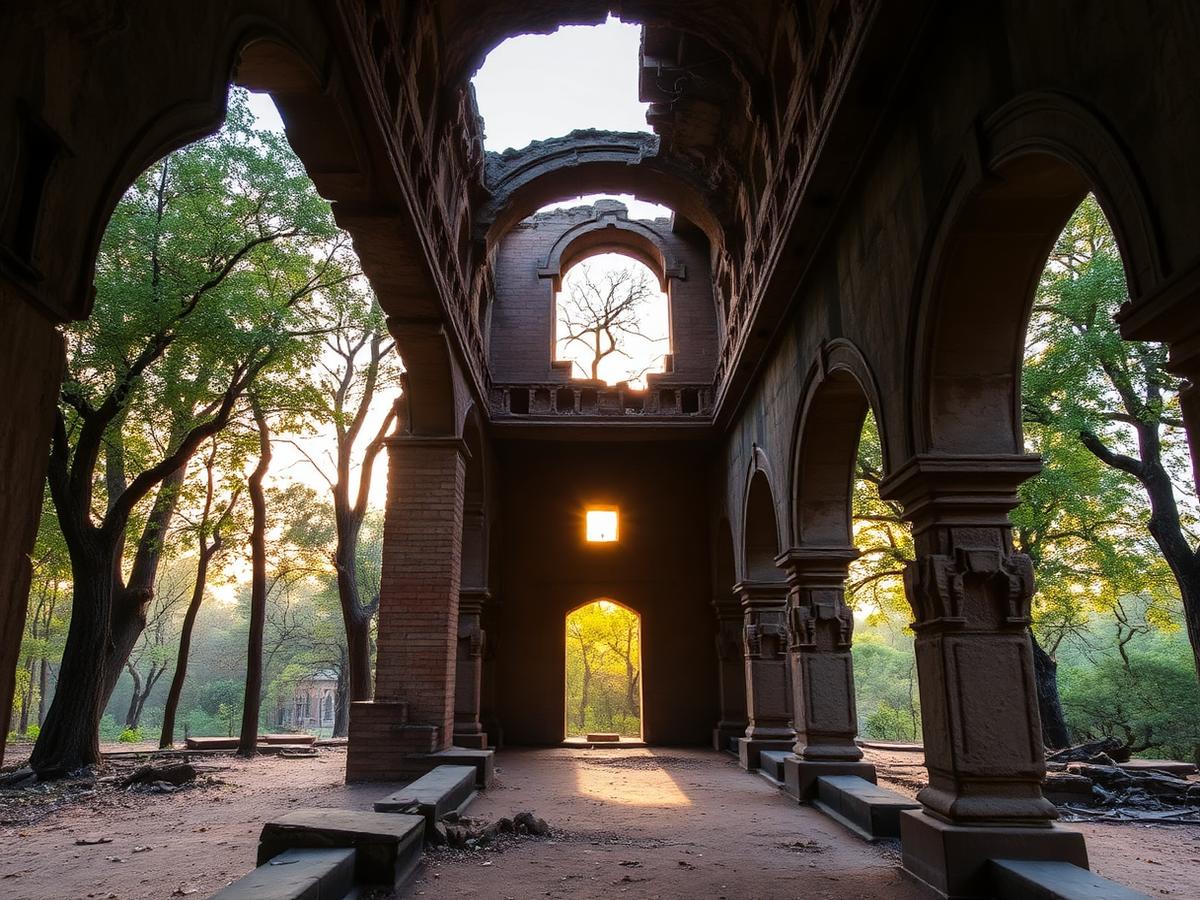
Raj Bagh Ruins
Arched palace remains between the two main lakes.
Forest has taken the stone back almost completely. Come at golden hour, when the light angles through the broken archways — this is where Ranthambore stops looking like a park and starts looking like a lost city with tigers in it.
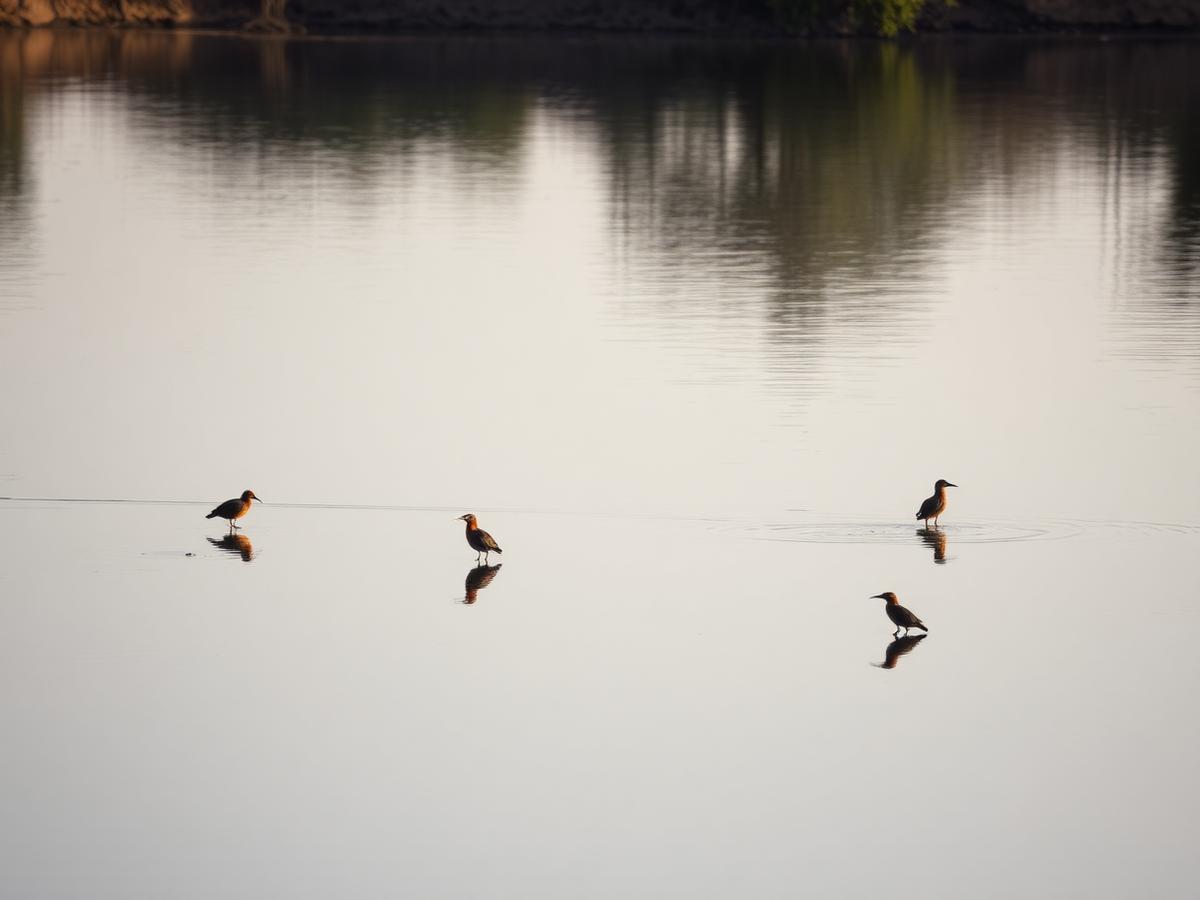
Malik Talao
The quietest of the lakes, and the best for birds.
Fewer jeeps, more time. Kingfishers, storks and the sort of long still water where you notice the forest instead of scanning it.
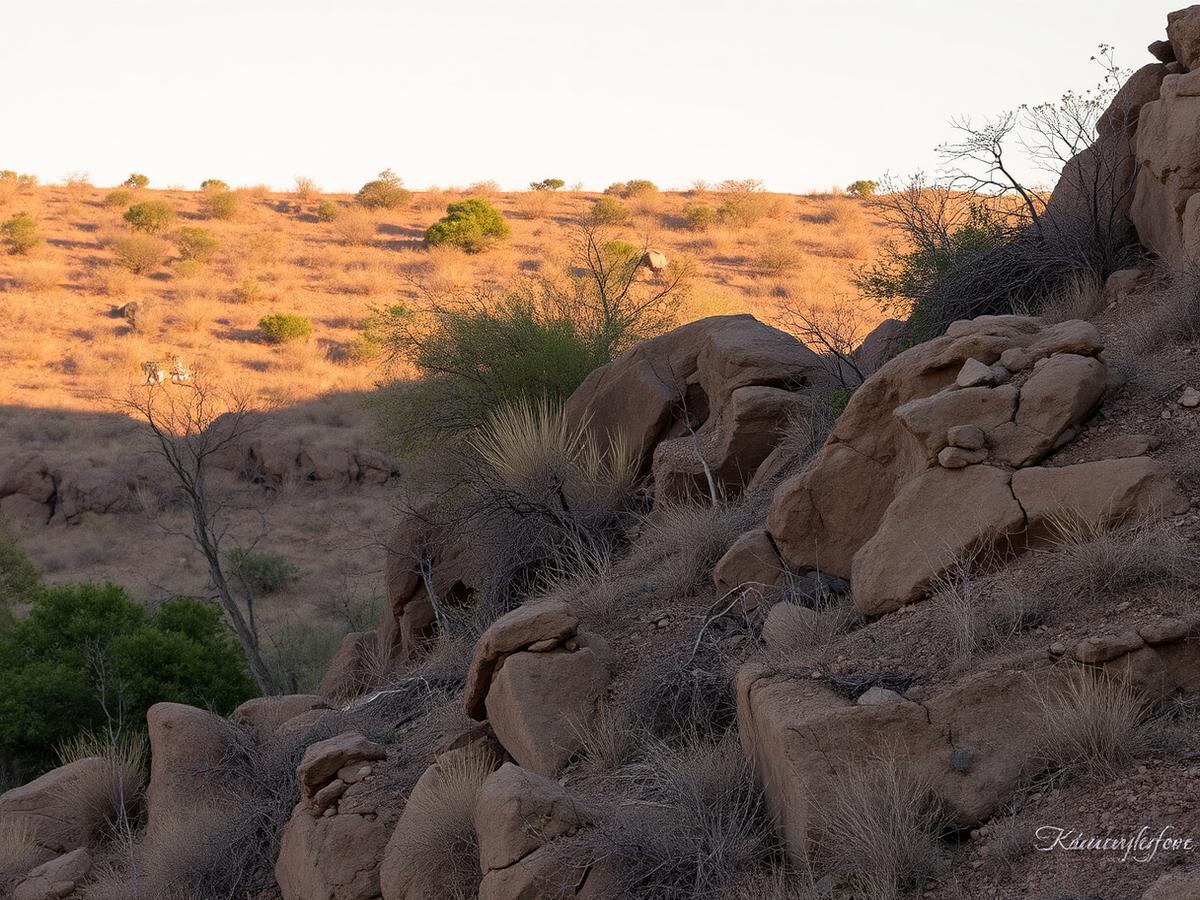
Kachida Valley
Rocky outcrops just outside the core zones, known for leopards.
Leopards keep to the periphery to avoid the tigers, which makes this the reliable place to look for them. Sloth bear too, if the morning is generous.
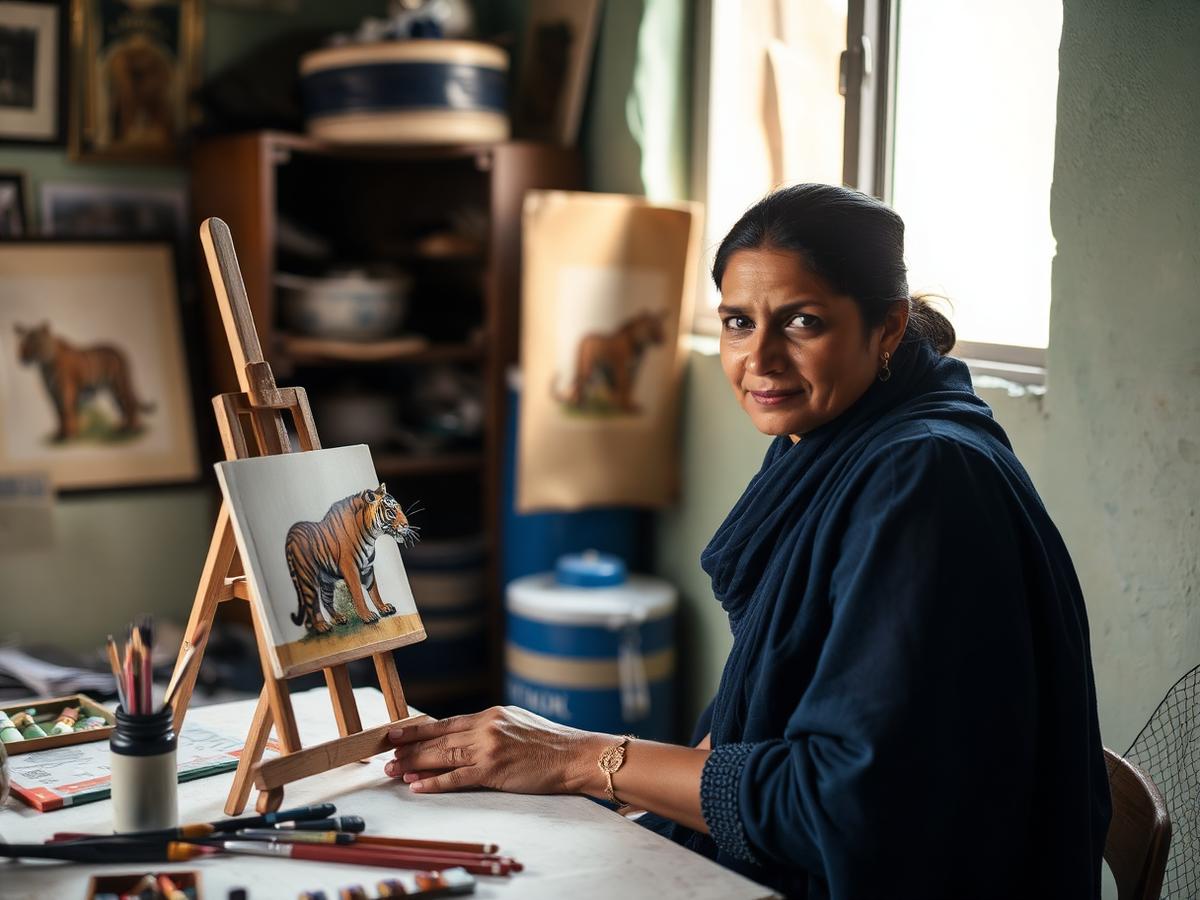
Ranthambore School of Art
Local artists trained by conservationists, painting the park's wildlife.
A community-rooted counterpoint to the safaris, and the one place worth buying something. The work funds conservation directly, and it is a far better souvenir of a tiger than a blurred photograph.