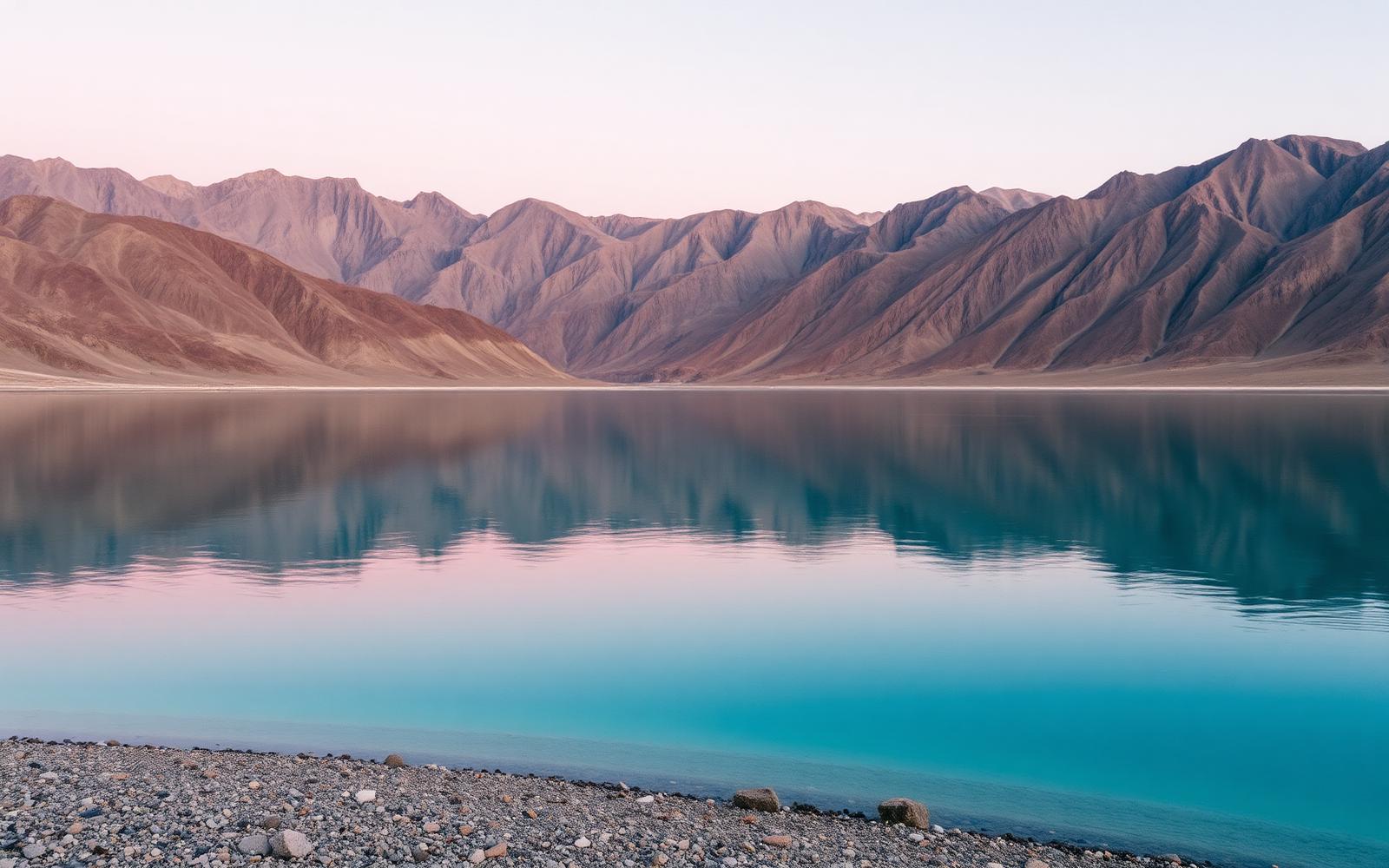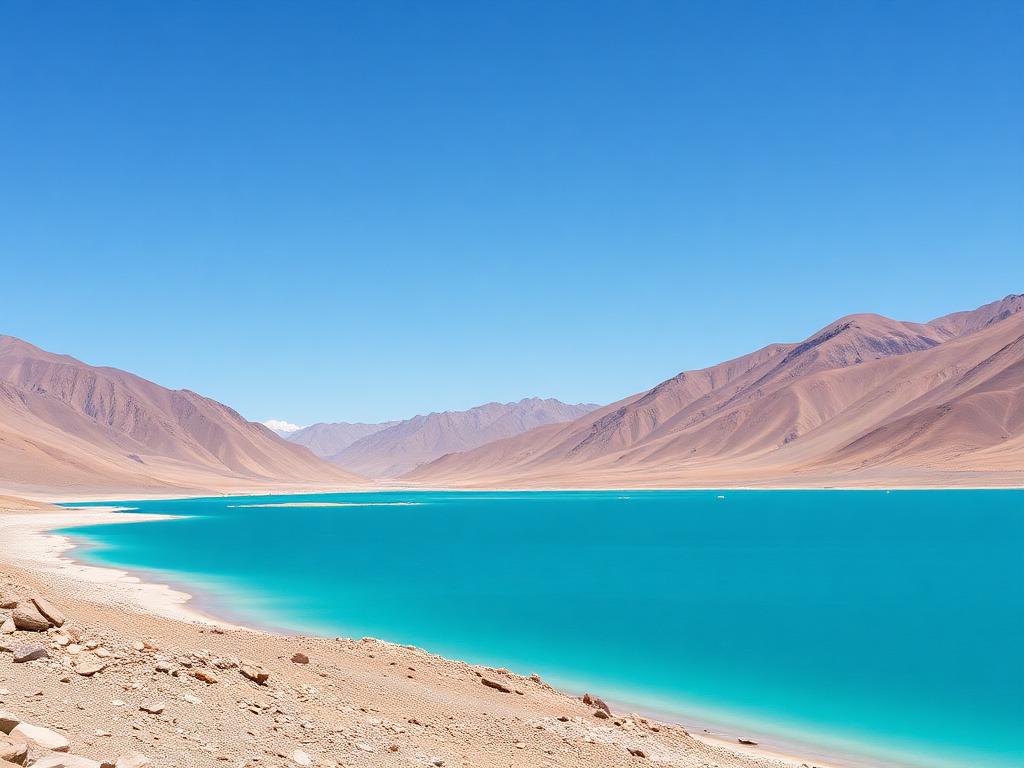
Pangong Tso
A lake that changes colour hour by hour at 4,350m.
Four hours from Leh over Chang La, and worth staying the night for. Day-trippers leave by four; after that the water turns from turquoise to slate to silver and the only sound is wind. We put you in a simple camp or homestay at Spangmik, on the quieter southern shore.
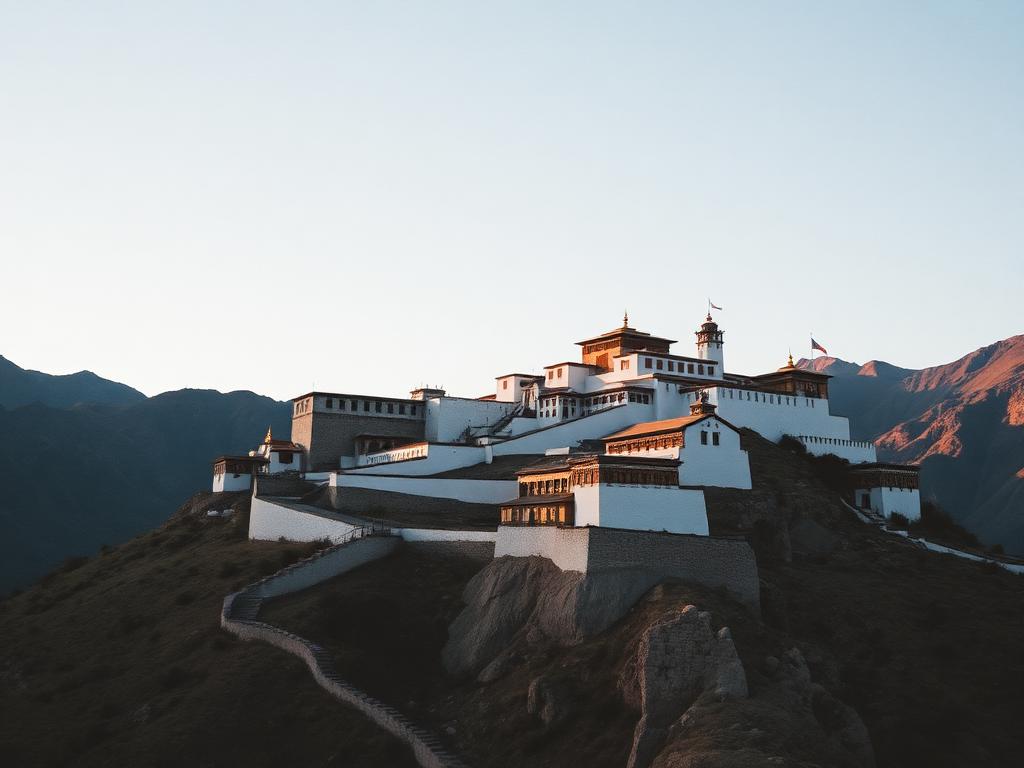
Thiksey Monastery
Dawn prayers below a three-storey Maitreya.
Twelve storeys of whitewashed cells climbing a hill twenty minutes from Leh. Arrive by 6.30am for the horns and butter tea at morning puja, then climb to the Maitreya temple while the valley is still cold and empty.
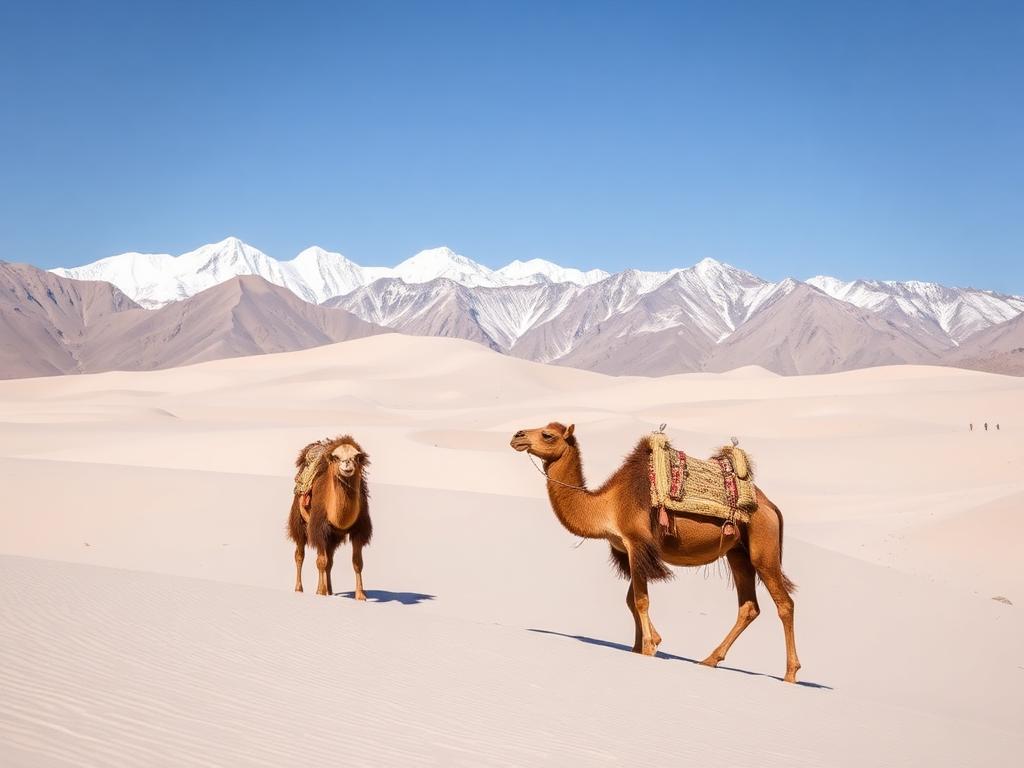
Nubra Valley
Bactrian camels on the Hunder dunes, beyond Khardung La.
Over Khardung La and down into a sand-and-apricot valley where the Shyok and Nubra rivers meet. Two nights is right: one for the dunes and the light, one for the villages of Sumur and Panamik further up.
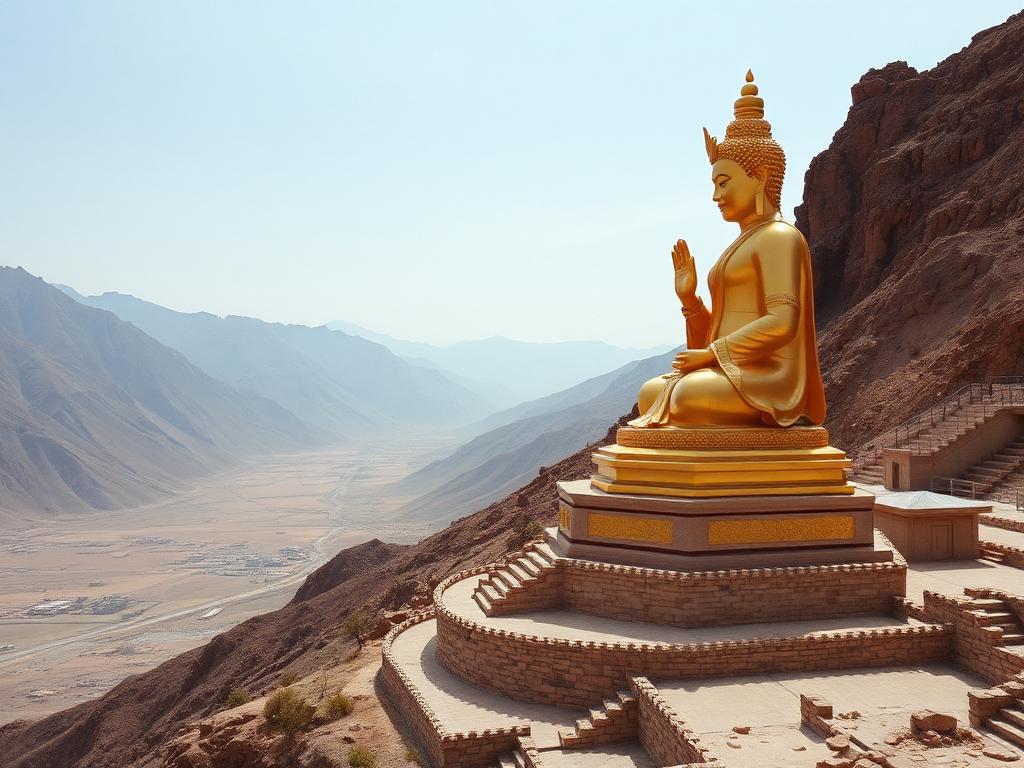
Diskit Monastery
A giant Maitreya looking down the whole Nubra valley.
The oldest gompa in Nubra, founded in the 14th century, with a 32-metre Maitreya added below it facing the Pakistan border. Go late afternoon when the statue catches the last of the sun.
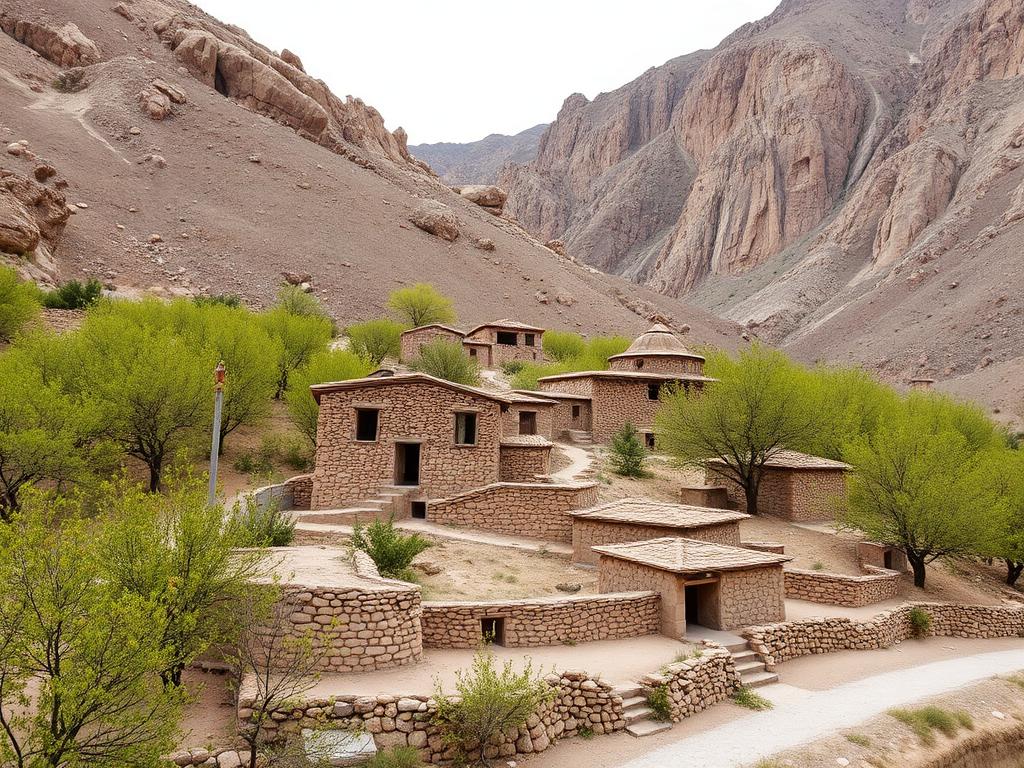
Turtuk
A Balti village near the LoC — different food, different language.
One of the last villages before the Line of Control, Indian only since 1971. Balti is spoken here, the bread is different, and the apricot orchards run right through the lanes. An overnight stay is far better than a day trip.
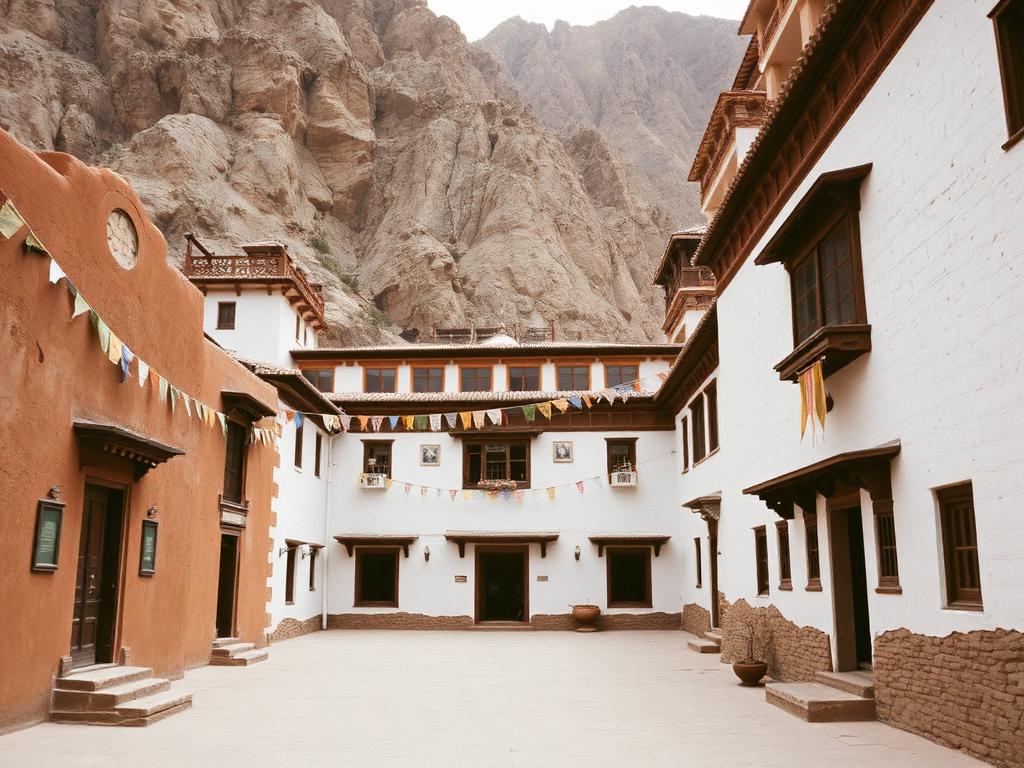
Hemis
Ladakh's largest and wealthiest gompa, hidden in a side gorge.
Tucked into a gorge so it survived raiders, Hemis holds a serious collection of thangkas and a museum most visitors skip. If your dates land in June or July, the Hemis festival masked dances are the best in Ladakh.
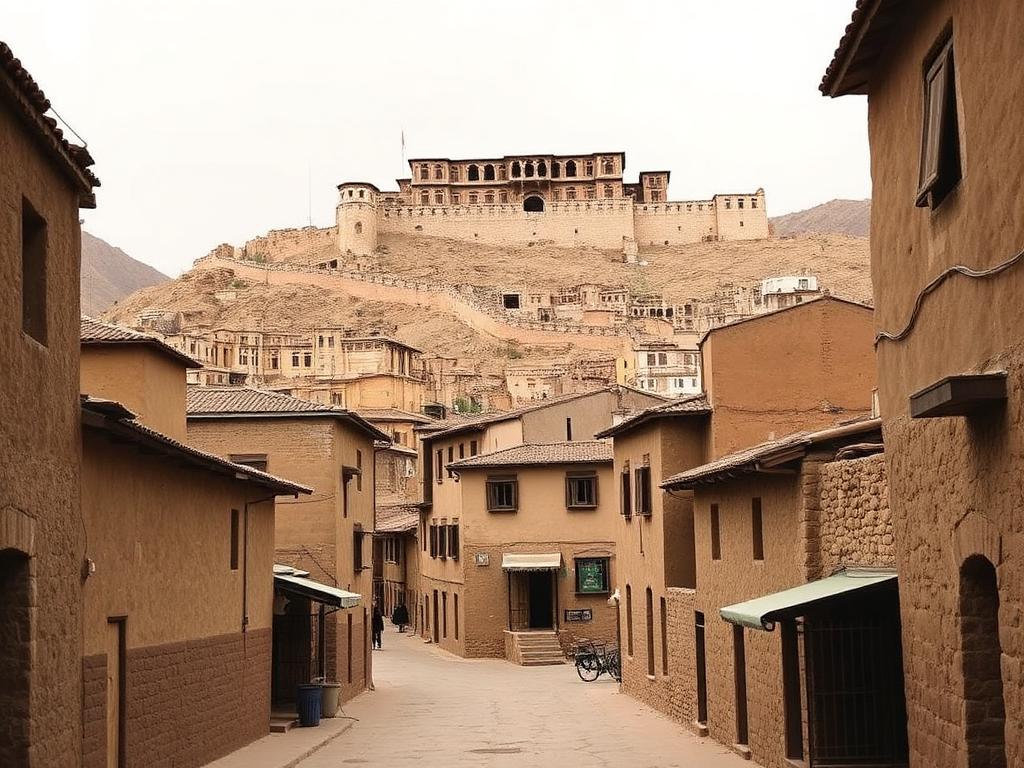
Old Leh & Leh Palace
Mud-brick lanes climbing to a nine-storey ruin.
The old town is a half-day on foot: mud-brick lanes, the Jama Masjid, the restored Lala's art café, and the nine-storey palace above it all. Good acclimatisation walking for your first day.
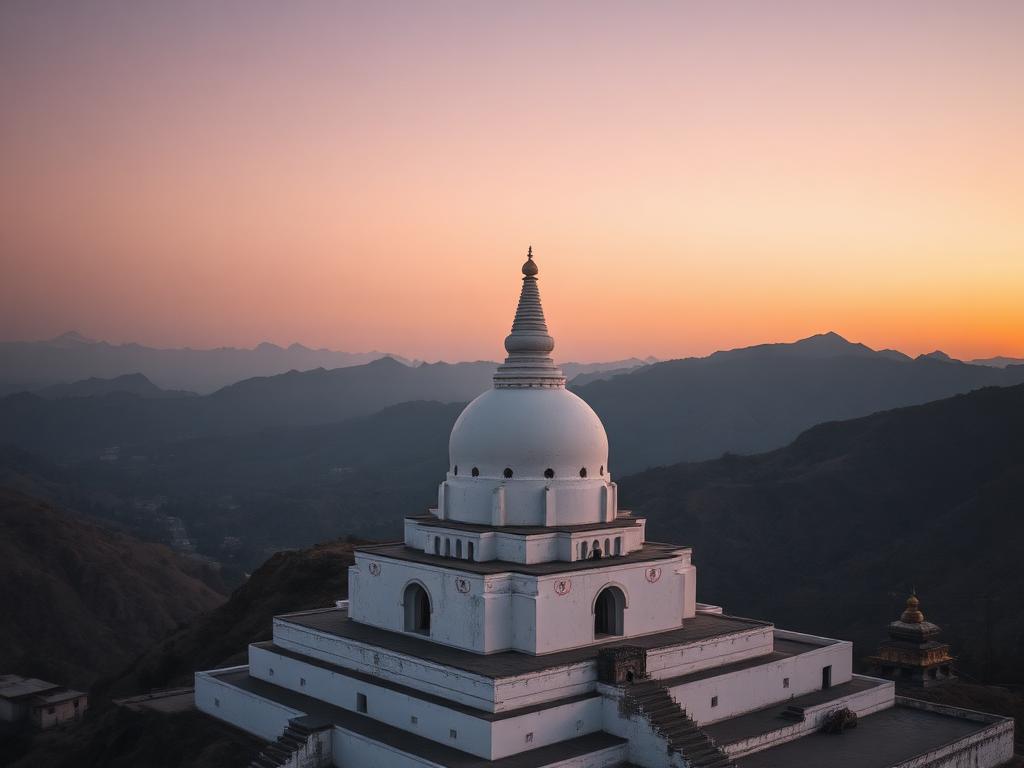
Shanti Stupa
The valley at last light, ten minutes above town.
Five hundred steps or a short drive above Changspa. Come for sunset, when the Stok range goes pink and Leh's lights start below you. Ten quiet minutes here beats an hour anywhere else in town.
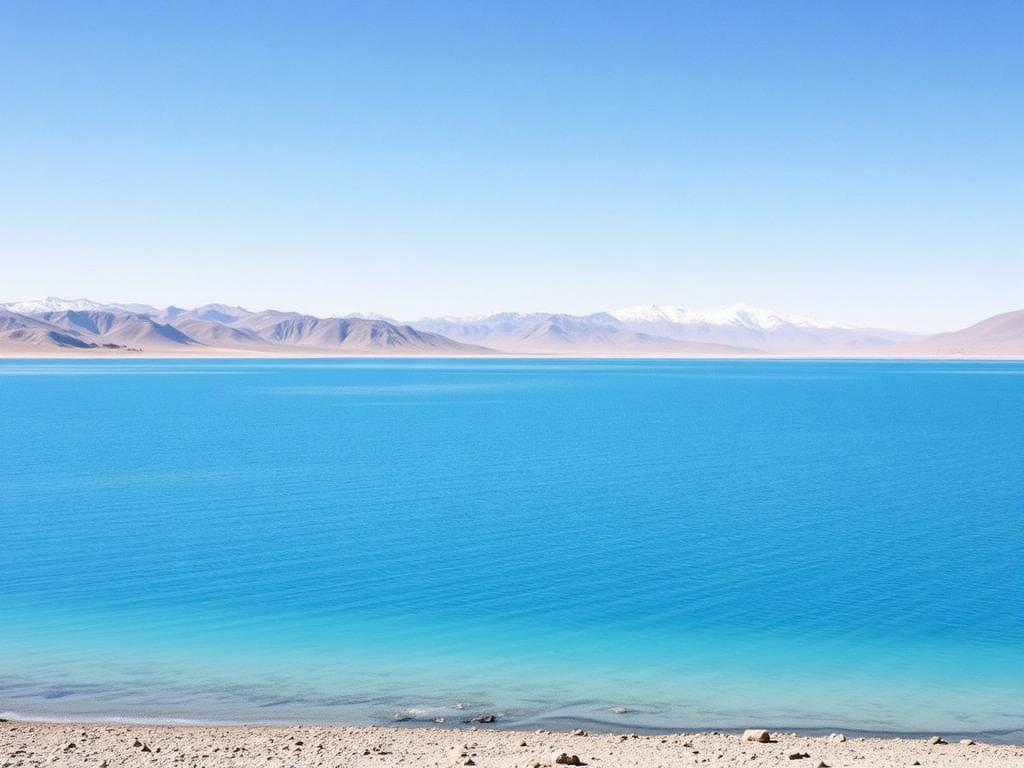
Tso Moriri
Remote, high, and far quieter than Pangong.
A seven-hour drive south into the Changthang at 4,500m, with Korzok village on its shore. Far fewer vehicles than Pangong and better for birdlife — black-necked cranes and bar-headed geese in summer.