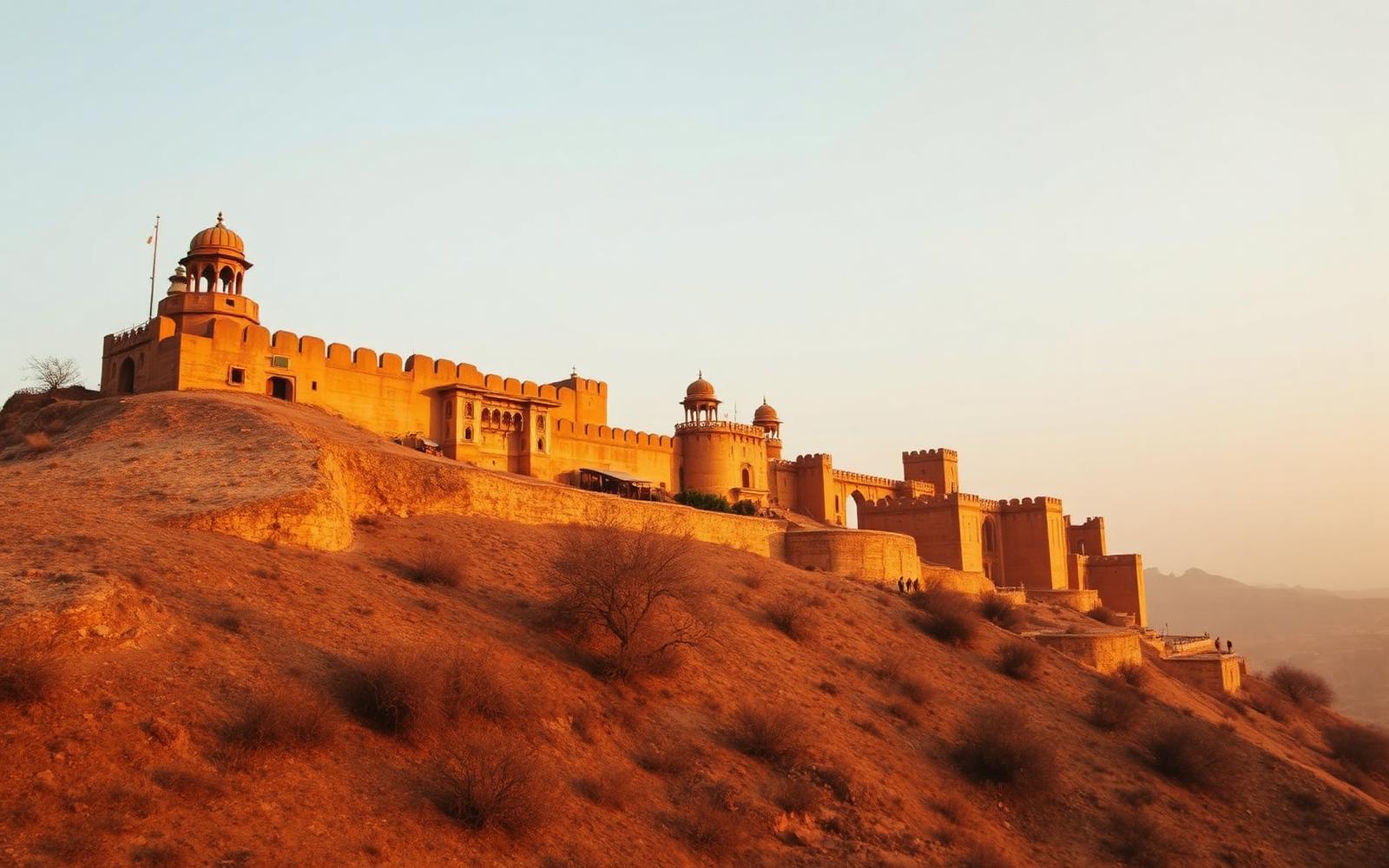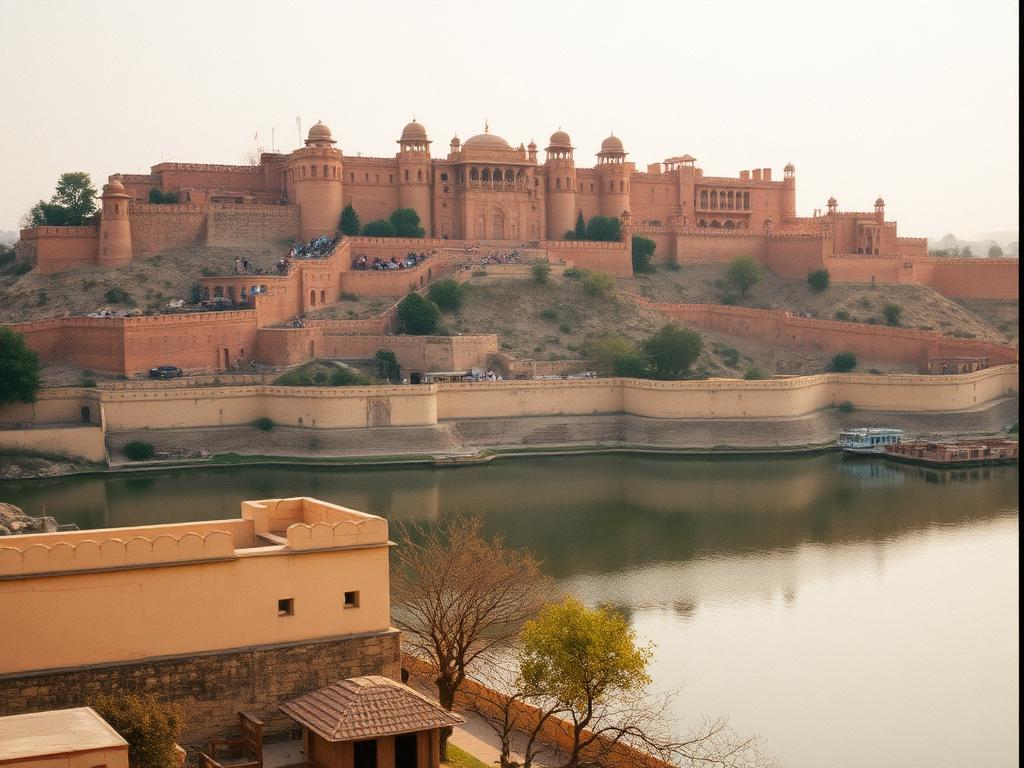
Amber Fort
Honey sandstone above Maota lake, eleven kilometres from town.
Go at 8am, before the coaches. The Sheesh Mahal mirror work and the Ganesh Pol are the set pieces, but the pleasure is the empty ramparts behind them. Walk up from the lake rather than taking an elephant.
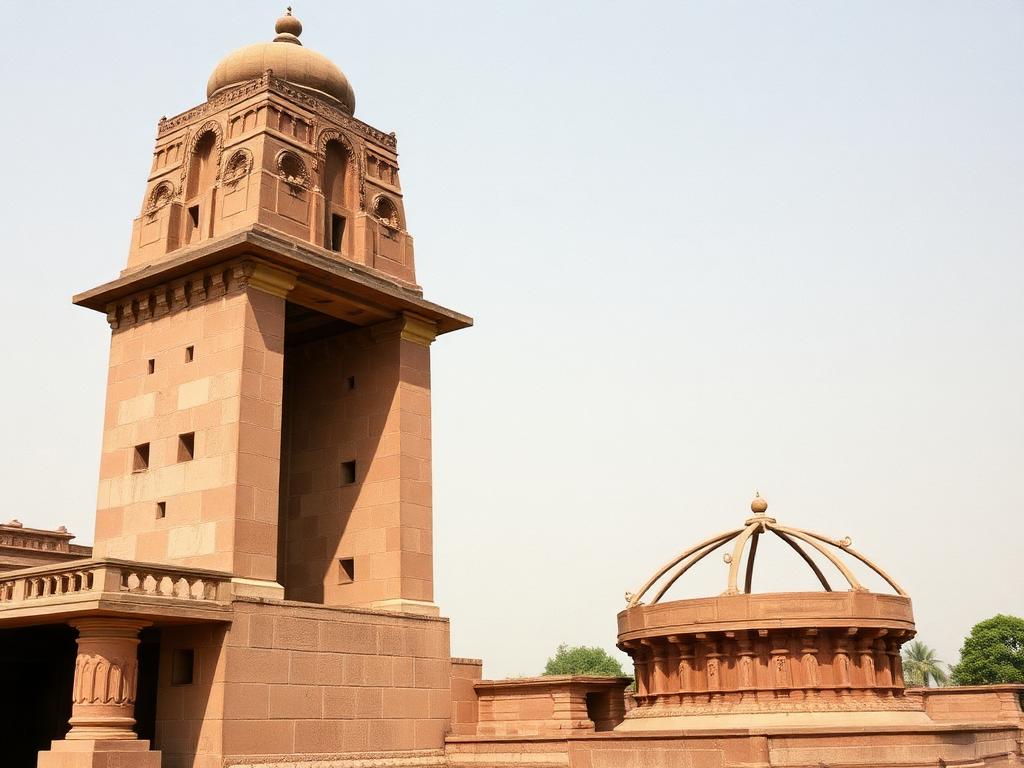
Jantar Mantar
Eighteenth-century astronomy built at architectural scale.
Jai Singh II's observatory, where the sundial is 27 metres tall and accurate to two seconds. Worth taking a guide for forty minutes — without one it reads as abstract sculpture.
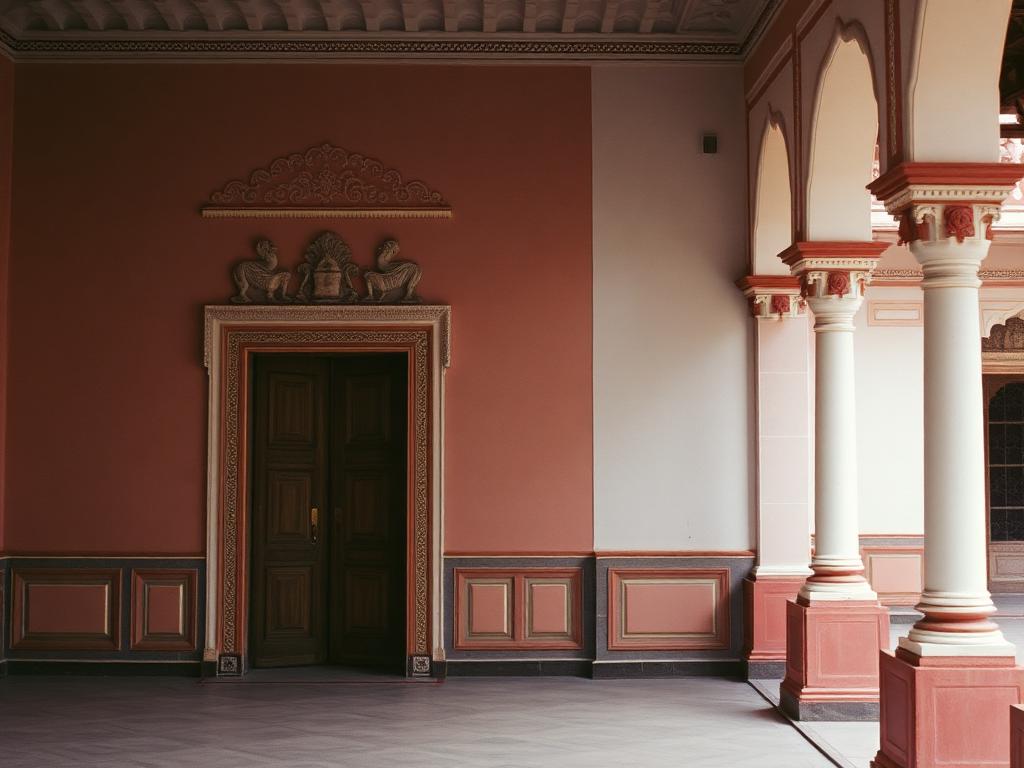
City Palace
Still a royal residence, in part.
Courtyards, the four seasonal doorways of Pritam Niwas Chowk, an armoury and two silver urns listed as the largest in the world. The family still live in Chandra Mahal above it.
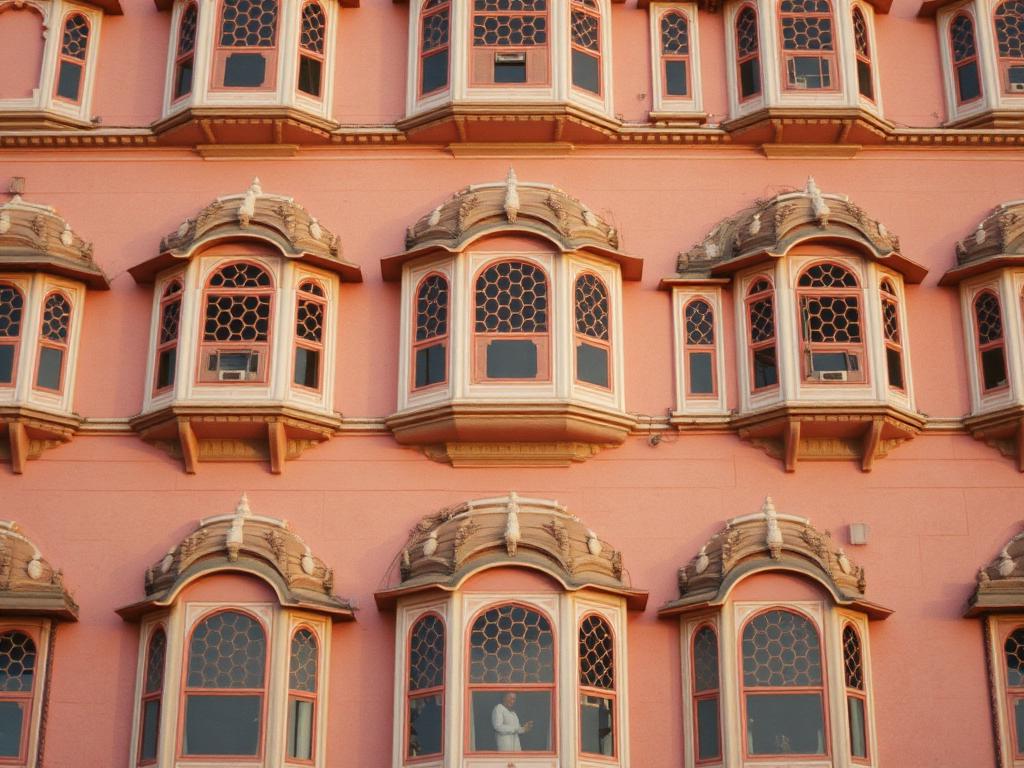
Hawa Mahal
953 windows built so royal women could watch the street unseen.
Everyone photographs the front from the road; the better view is coffee on the rooftop opposite at 7am, or from inside, where the honeycomb screens throw coloured light across the ramps.
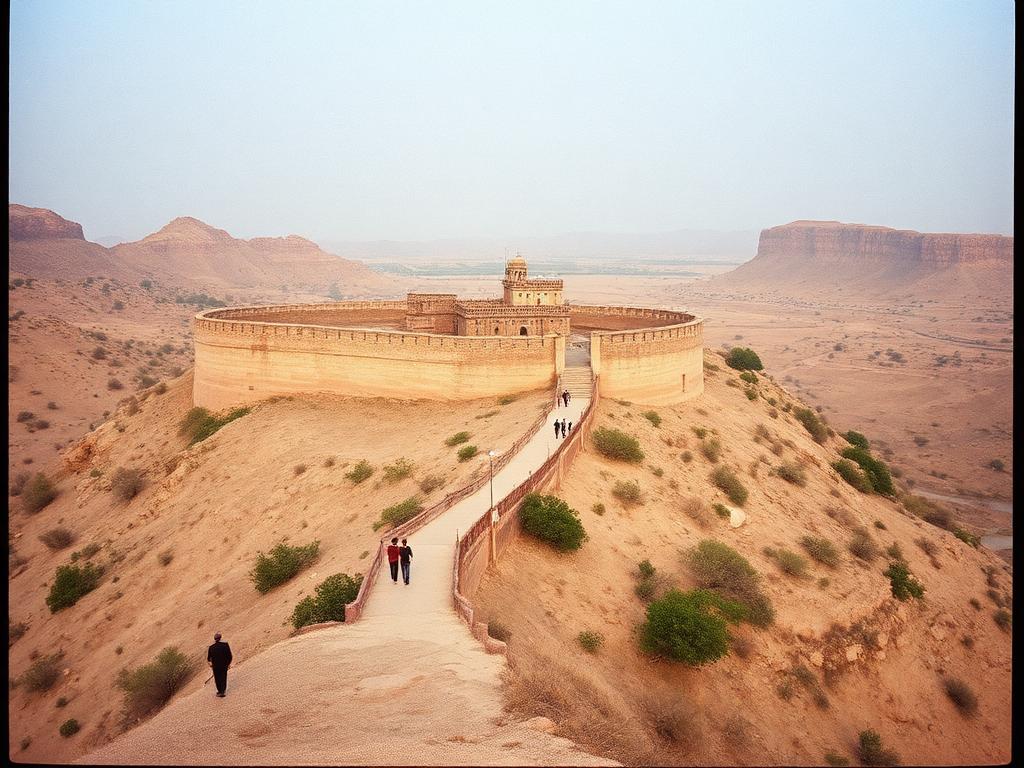
Jaigarh Fort
The fort that guarded Amber, with the world's largest wheeled cannon.
Above Amber on the Cheel ka Teela ridge, connected by a subterranean passage. Rarely crowded, and the walk along the walls gives you the whole Aravalli valley.
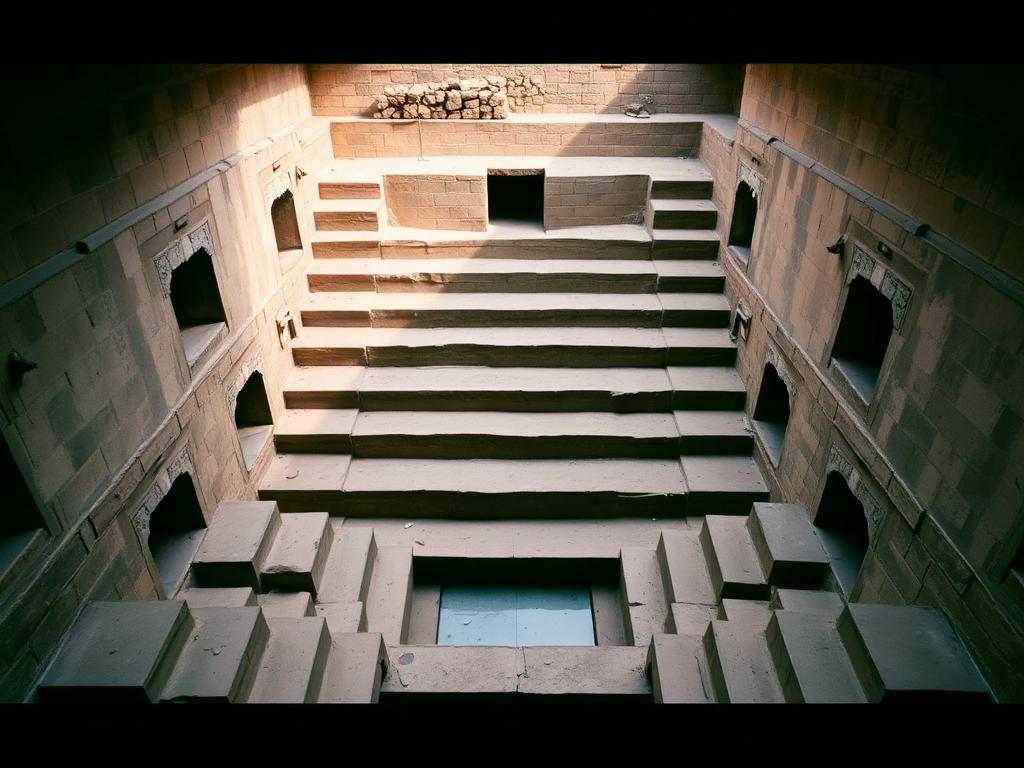
Panna Meena ka Kund
A 16th-century stepwell of criss-crossing stairs.
Five minutes from Amber and still largely overlooked. Symmetrical flights of steps drop eight storeys to the water. Swimming and climbing on the steps is not allowed — go early for the light.
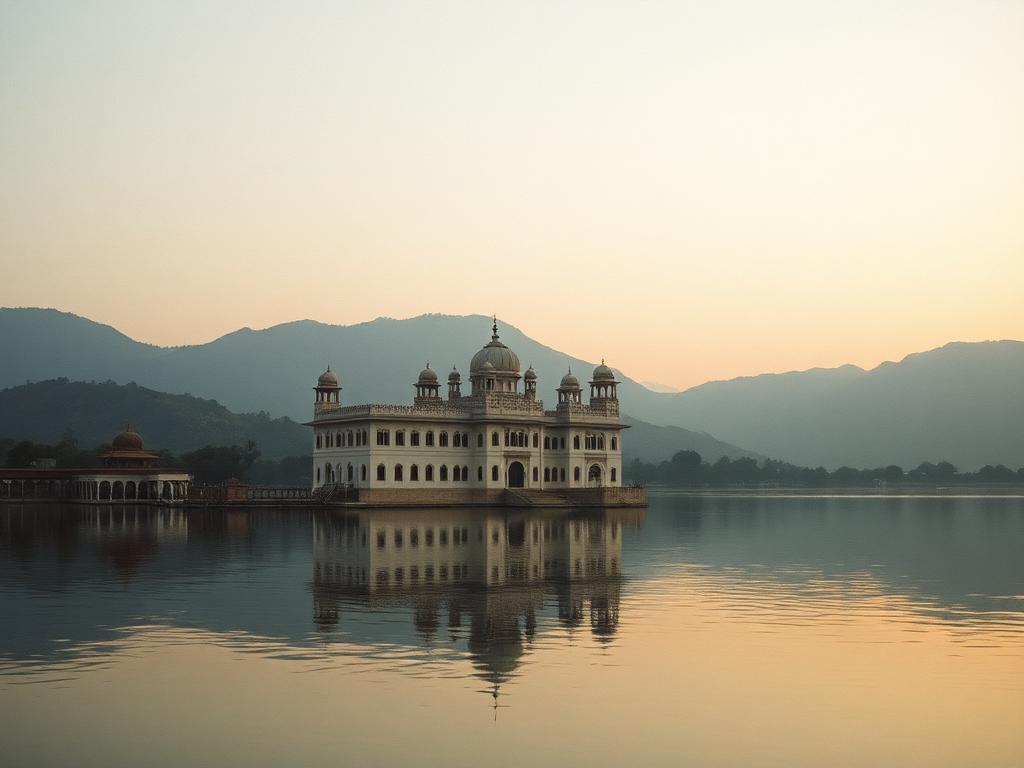
Jal Mahal
A palace with four floors underwater.
Sitting in Man Sagar lake on the Amber road. You cannot go inside, but at dawn the mist, the birds and the hills behind make it the best ten-minute stop in Jaipur.
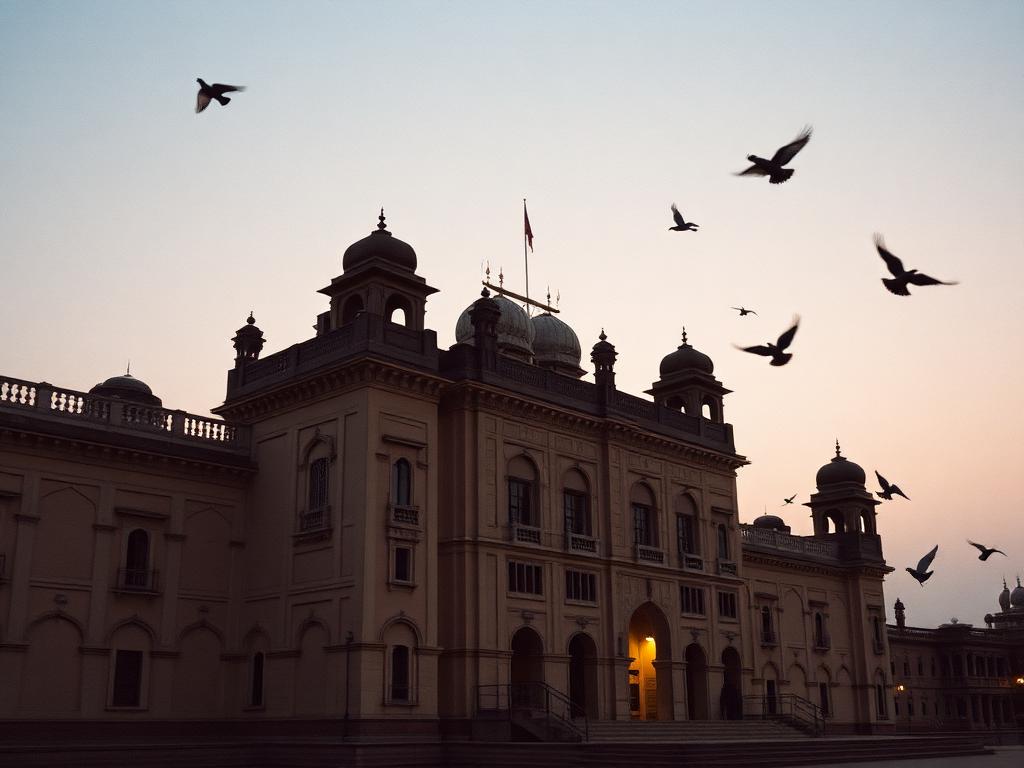
Albert Hall Museum
Indo-Saracenic showpiece and Rajasthan's oldest museum.
Opened in 1887, with Rajasthani miniatures, carpets and an Egyptian mummy. Come at dusk when it is floodlit and the pigeons lift off the forecourt in one sheet.
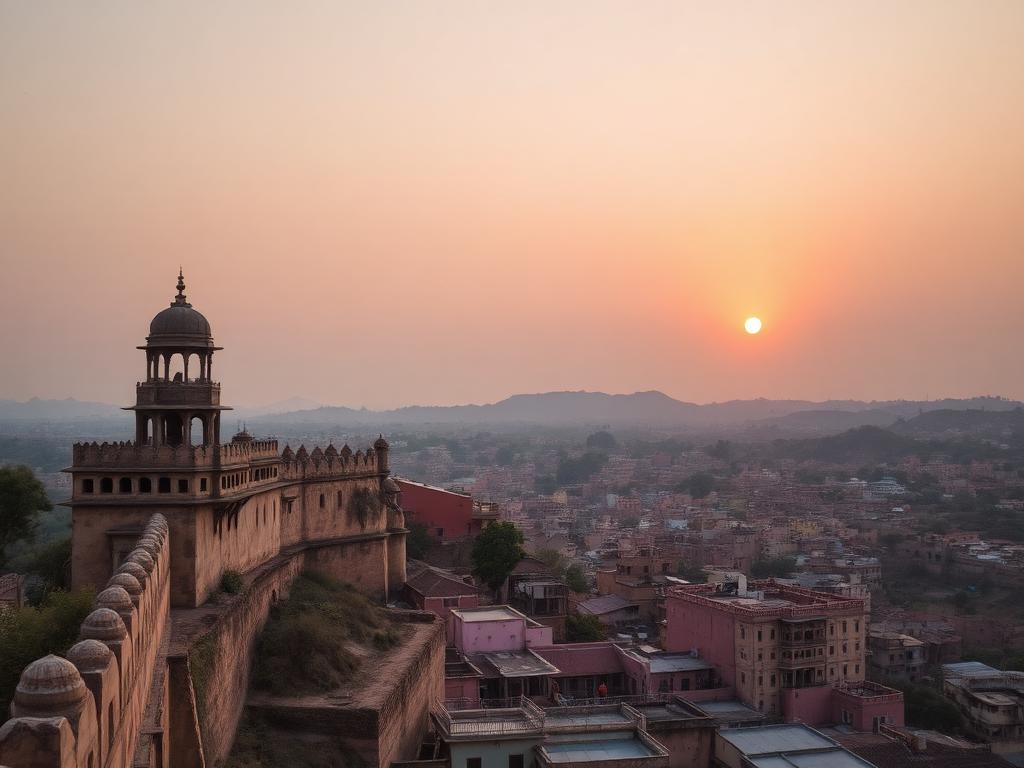
Nahargarh
The sunset fort above the pink city.
Built in 1734 as a retreat, with the curious Madhavendra Bhawan — nine identical suites for nine queens, linked by corridors. Time it for sunset over the old city.